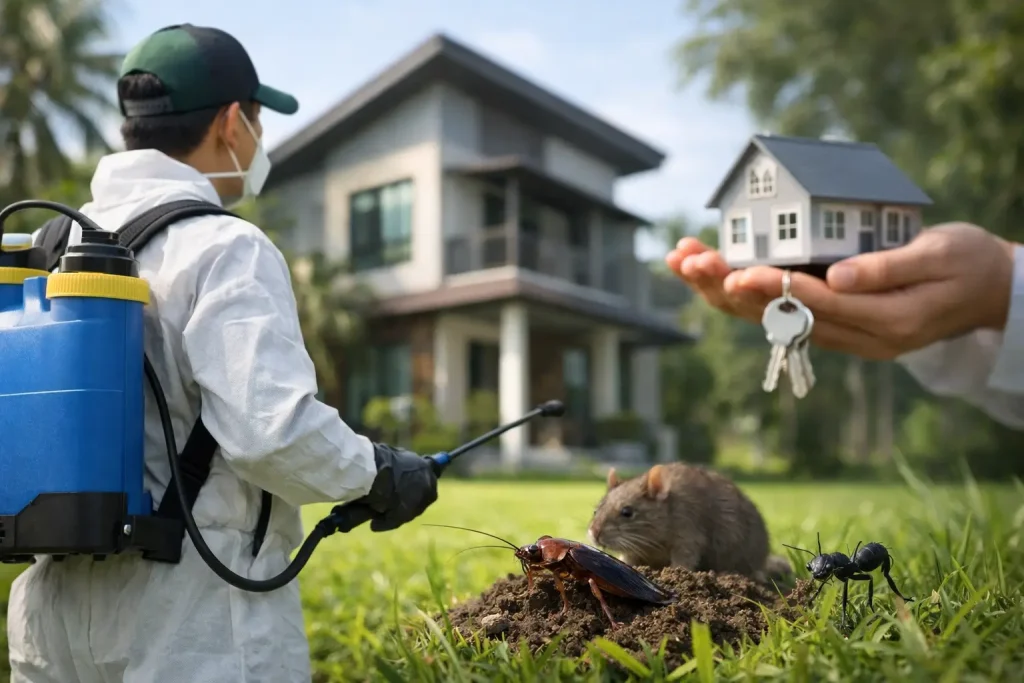
A property can look spotless on viewing day and still lose appeal the moment a buyer notices termite trails, cockroach droppings, or mosquito breeding around the drain. Pest control Malaysia property value is closely connected because pests affect more than comfort. They can signal neglected maintenance, create repair costs, and make buyers or tenants question what else has been missed.
For busy homeowners, the practical goal is not to react to a serious infestation. It is to make pest prevention part of a manageable property-care routine, alongside deep cleaning, air-conditioner servicing, laundry, and other household tasks that are easy to postpone.
Why pests change how a property is valued
Property value is not determined by square footage and location alone. A buyer also pays for confidence. When a home appears dry, clean, maintained, and free from pest activity, it feels easier to move into and easier to care for. When there are visible signs of pests, that confidence drops quickly.
Termites are the most serious example. They may damage timber door frames, built-in cabinets, flooring, roof structures, and other concealed wood elements before the problem becomes obvious. Repairs can be disruptive and expensive, especially if damage is found during a renovation, tenancy turnover, or pre-sale inspection.
Other pests may not compromise the structure in the same way, but they still affect perceived condition. A recurring cockroach issue can suggest poor sanitation or gaps around plumbing. Rodents can damage electrical wiring, contaminate storage areas, and create unpleasant odors. Mosquito breeding concerns around stagnant water can make outdoor areas less usable and raise questions about drain maintenance.
The point is not that every insect means a property has lost value. In Malaysia’s warm, humid environment, occasional pests are normal. The concern is a pattern of activity that has been ignored, concealed, or allowed to cause damage.
Pest control Malaysia property value: prevention costs less than repairs
Pest management is often treated as a one-time emergency call. That approach can solve an immediate problem, but it may not address the conditions that invited pests in. A stronger plan combines professional treatment where needed with practical maintenance that reduces food, moisture, shelter, and entry points.
For a landed home, that can mean checking roof leaks, clearing gutters, repairing cracked pipework, trimming plants away from exterior walls, and avoiding piles of cardboard or timber near the house. These actions make the property less attractive to termites, rodents, ants, and cockroaches.
For apartments and condominiums, the responsibility is often shared. Owners can manage conditions inside the unit, including kitchen hygiene, plumbing leaks, balcony drains, and rubbish handling. Common corridors, refuse rooms, external drains, and landscaping may sit under the management body’s scope. If pests are repeatedly entering from common areas, document the issue and raise it through the appropriate building channel rather than treating the unit in isolation.
A professional pest-control provider can identify the likely source and recommend a treatment schedule based on the pest, property type, and level of activity. There is no single schedule that suits every home. A ground-floor terrace house with a garden has different exposure from a high-rise unit, while a food-based business or rental property may need more frequent monitoring.
The warning signs buyers and tenants notice first
Most people do not inspect a property like a pest technician. They notice the signals that affect daily comfort and perceived cleanliness. That is why regular checks should focus on both hidden risk and visible presentation.
Look for mud tubes on walls or foundations, hollow-sounding timber, bubbling paint, loose tiles near moisture-prone areas, and fine wood-like debris around frames or cabinets. These may point to termite activity or water damage that needs a closer assessment.
In kitchens and bathrooms, watch for small droppings, egg cases, grease buildup behind appliances, musty odors, chewed packaging, and insect activity after dark. Outside, inspect drains, potted plants, stored items, bin areas, and water-collecting containers. A clean living room does not offset an overflowing outdoor drain or a damp cabinet beneath the sink.
Take dated photos when you spot a problem. They help you track whether activity is increasing, show a provider what they are dealing with, and create a clear maintenance record if you manage a rental unit.
A maintenance record supports a stronger sale or rental conversation
Buyers rarely expect an older property to be perfect. They do expect sensible upkeep. Keeping records of treatment, repairs, inspections, and cleaning gives you a more credible answer when questions arise.
Save service invoices, treatment reports, warranties where applicable, repair receipts, and before-and-after photos. If termites were found and professionally treated, the best approach is usually transparency supported by documentation. Trying to hide old damage can create greater concern when it is discovered later.
For landlords, records also make tenant turnover easier. You can show that the unit was cleaned, checked, and maintained before handover, then establish a clear baseline for the next tenancy. This reduces disputes over whether a pest issue existed before move-in or developed through day-to-day conditions.
Digital household-service platforms can make this administrative side simpler. When cleaning and maintenance orders, invoices, and status updates sit in one place, homeowners spend less time searching through old messages and paper receipts. AeroSparkle is designed around this kind of visible, trackable household-care workflow, although pest treatment should always be arranged with a suitably qualified pest-control provider.
Cleaning is not pest control, but it helps pest control work
A common mistake is assuming a chemical treatment alone will solve every infestation. Treatment can be necessary, but household conditions still matter. Pests return when they continue to find water, food residue, clutter, and easy access points.
Deep cleaning is especially useful before a pest visit, after treatment, and between tenants. It removes grease from kitchen surfaces, clears buildup behind appliances, and makes activity easier to spot. Carpet cleaning and upholstery care can also help refresh a home after a pest issue, although they do not replace targeted pest treatment.
Avoid cleaning away all evidence before a technician arrives if you have active signs such as droppings, trails, or damaged material. Take photos first and tell the provider where activity was seen. The goal is to give them accurate information, then restore the space once the treatment plan is underway.
What a practical prevention routine looks like
The best routine is one your household can actually maintain. Monthly checks are enough for many homes, while higher-risk properties may need a more frequent plan. Put simple recurring tasks on the same schedule as other services so they do not depend on someone remembering them during a busy week.
Each month, check under sinks and around air-conditioner drainage for leaks, clear balcony and outdoor drains, empty standing water, inspect bins, and remove unnecessary cardboard storage. Every few months, review exterior walls, timber features, roof edges, and garden areas. If you own a landed property or have a past termite history, ask a pest professional whether scheduled inspections make sense for your risk level.
Before listing a property for sale or preparing a unit for new tenants, arrange a more thorough review. Address visible damage, remove odors, clean neglected areas, and keep your records ready. Spending on a credible inspection or treatment is not a guarantee of a higher sale price, but it can prevent avoidable objections, rushed repair negotiations, and delays at the point when interest is highest.
A well-maintained property does not need to look newly built. It needs to show that problems are noticed early, services are organized, and the next owner or tenant will not inherit a preventable surprise.
—
This article was prepared by the AeroSparkle Editor. Try AeroSparkle services today—download the AeroSparkle app.